High hopes for new groundnut variety
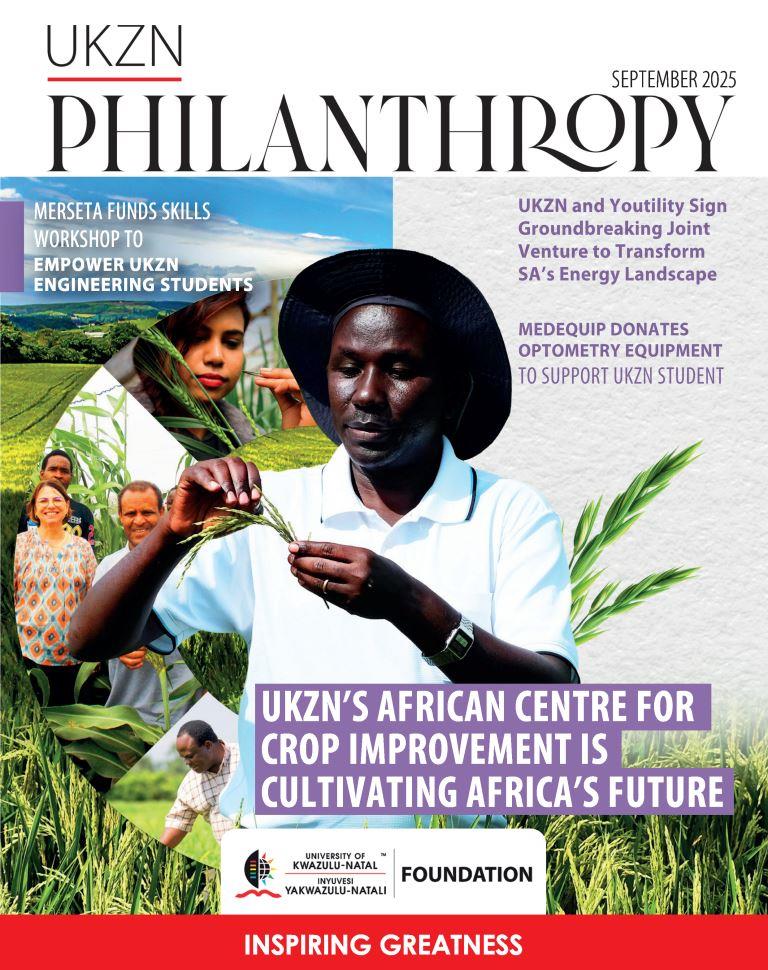
UKZN’s Philanthropy Magazine, published this month by UKZN Foundation, features the pioneering work of the African Centre for Crop Improvement (ACCI) to tackle food insecurity and advance the science and business of plant breeding in Africa through demand-led approaches.
Promising findings in Maize streak virus study
Mutation breeding for forage and grain tef
UKZN AUTUMN GRADUATION 2025
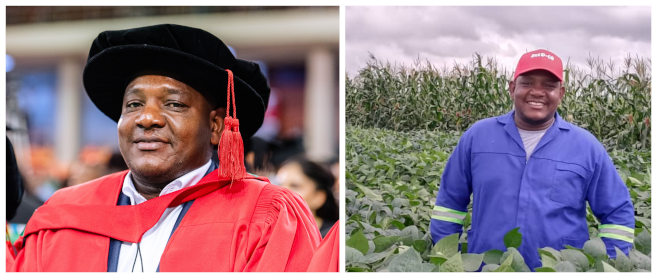
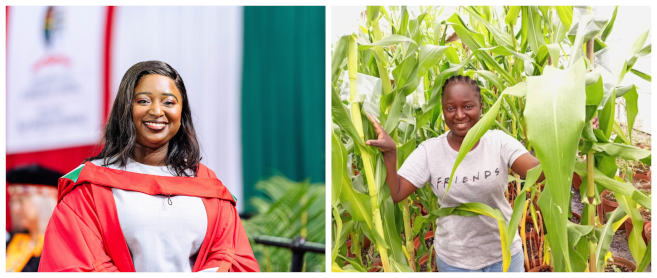
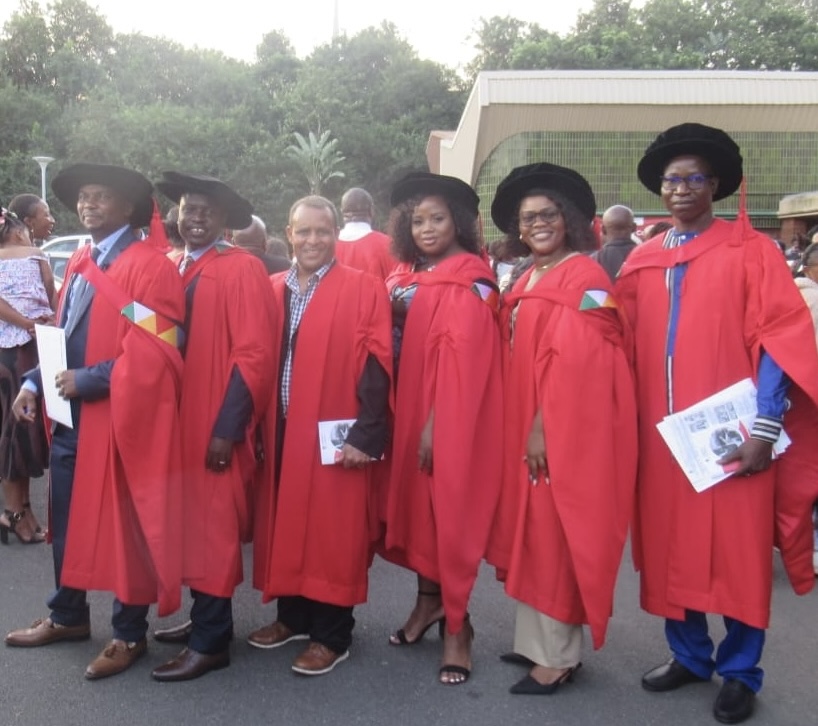
Congratulations to our two new PhD graduates, Emeline Dossa from Benin and Rodreck Gunundu from Zimbabwe, who graduated on the 16th of May!
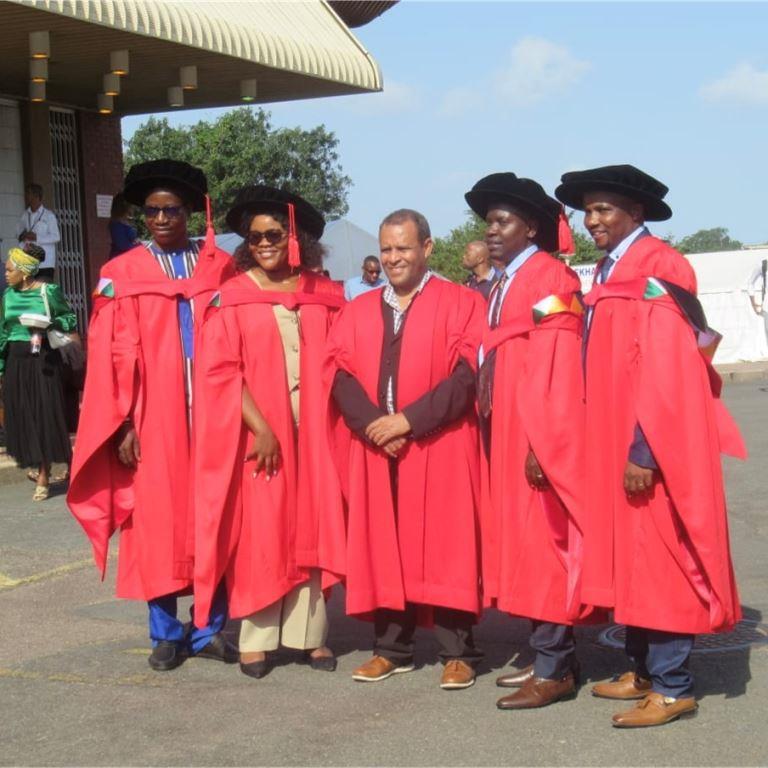
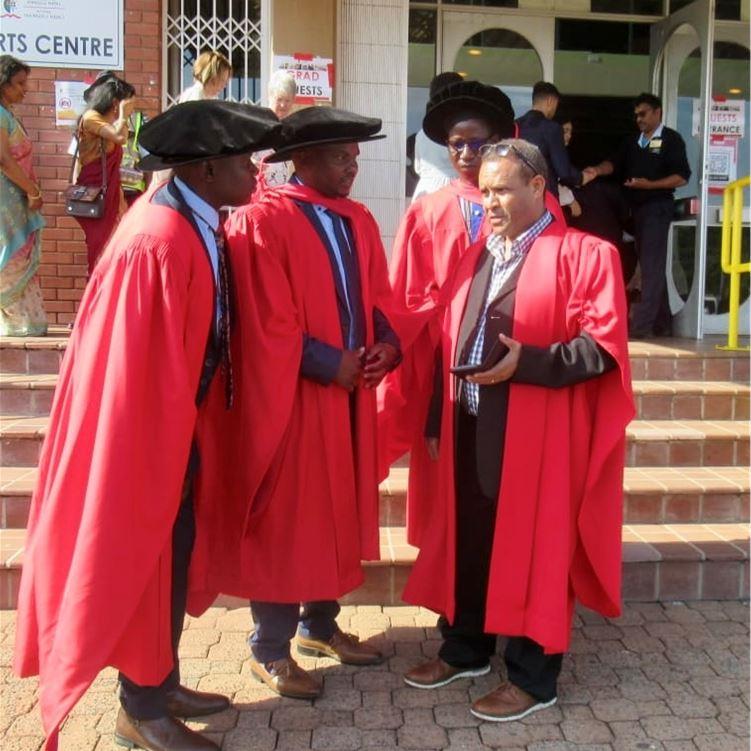
The University of KwaZulu-Natal (UKZN) hosted its 2025 autumn graduation ceremonies from 6 to 16 May 2025. Over 8,000 students, including 247 PhD graduates, celebrated their achievements.
Thesis on Developing Stronger Hybrids for Africa Earns PhD for Maize Breeder
Dr Rodreck Gunundu’s PhD study through the African Centre for Crop Improvement (ACCI) aimed to identify promising maize inbred lines and experimental hybrids to address Africa’s persistently low yields of a staple crop vital for food and nutrition security.
Advanced Plant Breeding Facilities Enable Research on Striga-Resistant Maize
Dr Nanou Emeline Dossa’s PhD research through the African Centre for Crop Improvement (ACCI) at UKZN was a significant study to uncover novel genetic resources, markers and genes in maize associated with resistance to the parasitic witchweed, Striga hermonthica and Striga asiatica.
WATCH: CAES Graduation video
Market-led sorghum breeding and product development
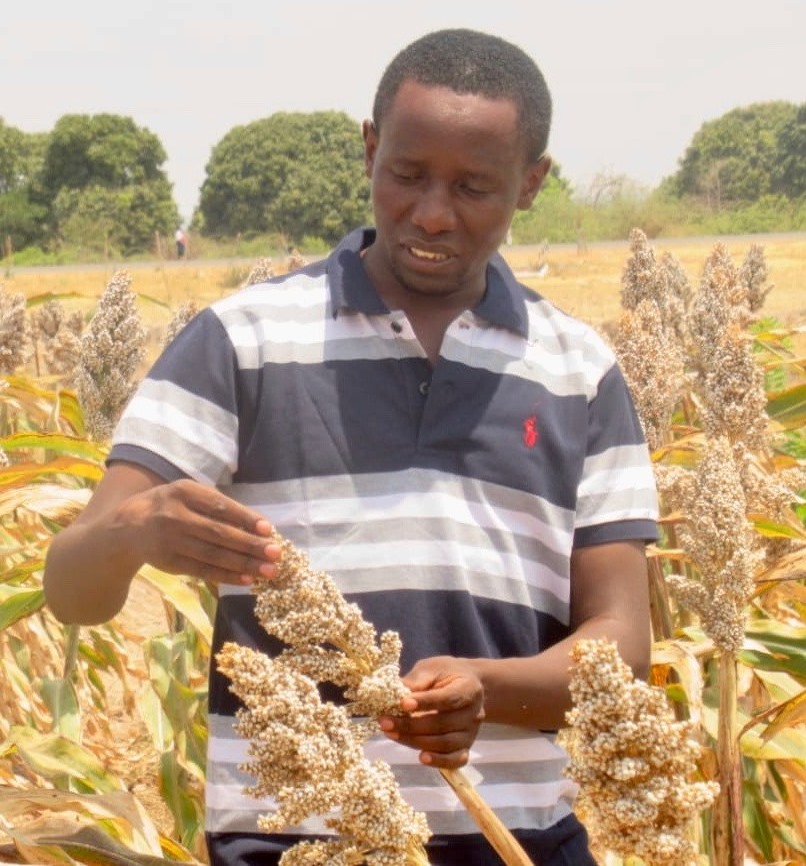
PhD study unlocks potential sorghum windfall
Top Scholars in South Africa Honoured
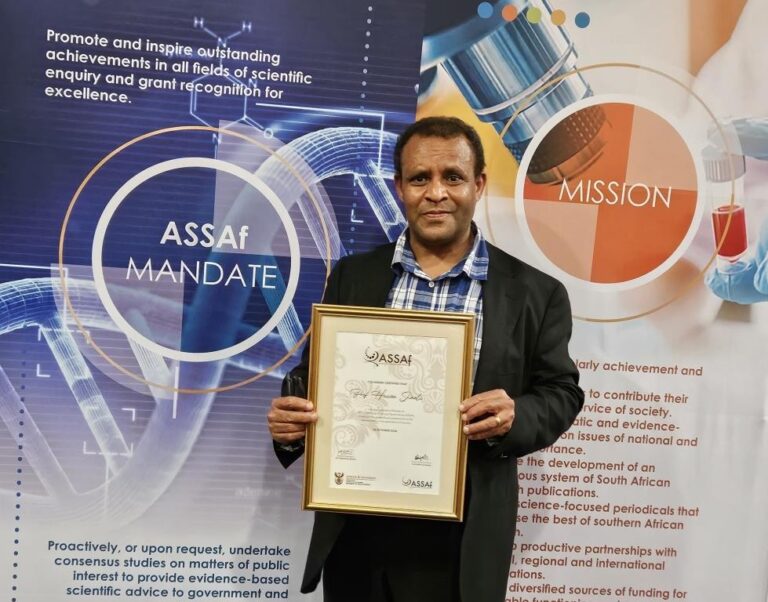
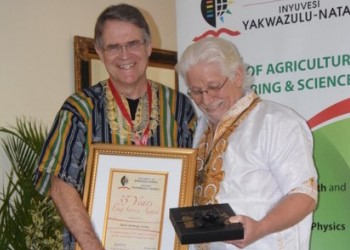
Forty-four of the country’s leading scholars and scientists, including our ACCI director, Prof Hussein Shimelis, were inaugurated as Members of the Academy of Science of South Africa (ASSAf) at the annual Awards Ceremony on 23 October 2024.
The event happened at a ceremony at the Council for Scientific and Industrial Research in Pretoria. The main criteria for election as a member are academic excellence, scientific leadership, science in the service of society — or a commitment to significantly assist the Academy in achieving its objectives.
“I am humbled and honoured to be one of the distinguished members of this august academy, to advance its objectives and services to society,” said Shimeles.
“The award recognises my contributions to creating a critical mass of plant breeding and crop science researchers who are advancing plant breeding in Africa,” he said.
Rwanda Sci-Tec Conference
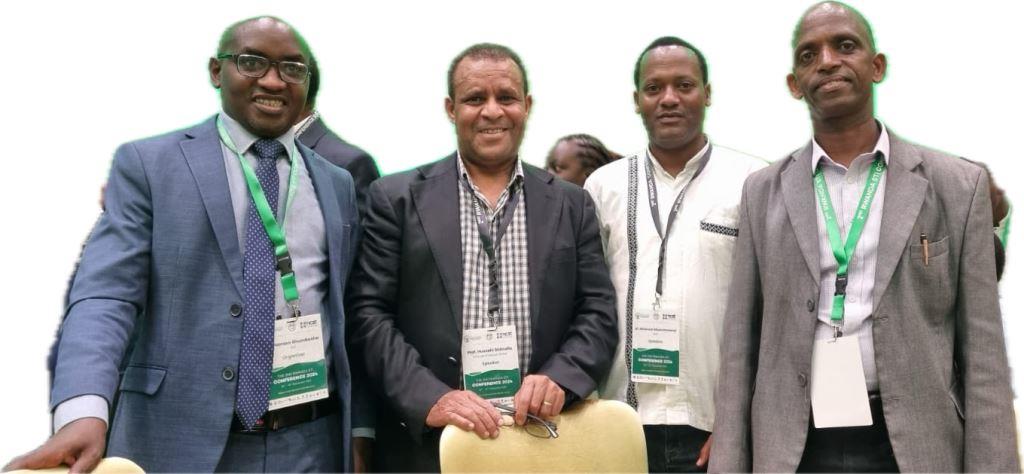
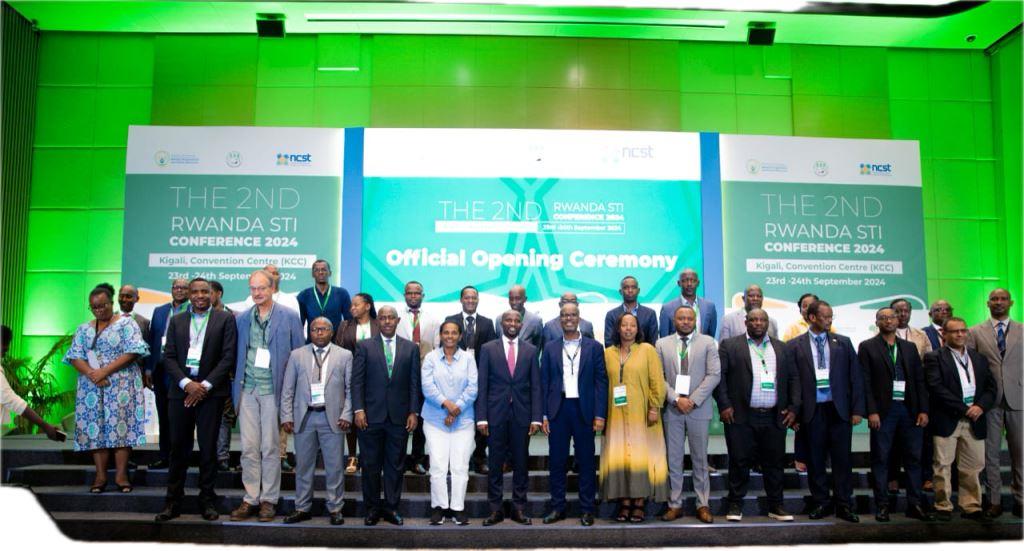
The director of UKZN’s African Centre for Crop Improvement, Professor Hussein Shimelis, was in Kigali, Rwanda this week to participate in the 2nd Rwanda Science, Technology, and Innovation (STI) Conference. It was organised by Rwanda’s Ministry of Agriculture and Animal Resources, the National Council for Science and Technology and local and international partners.
The conference is a biennial event to discuss the role of science and technology in addressing diverse societal challenges. This year’s conference theme was a global issue: Promoting Climate-Resilient Agriculture Through Science, Technology, and Innovation for Improved Food Security and Nutrition.
The University of KwaZulu-Natal (UKZN) was one of the key partners of the event. Shimelis was on a panel that discussed promoting the use of technologies and innovation for sustainable agriculture and food transformation for economic productivity. “I highlighted the role of plant breeding capacity, innovations and technologies, and support needs to boost agricultural production and productivity in Africa in the face of climate change,” said Shimelis.
ONLINE WEBINAR SERIES
The international Demand-Led Breeding (DLB) working group with UKZN’s African Centre for Crop Improvement (ACCI) hosted a series of webinars for the research and development community in Southern Africa. The aim is to create dialogues to strengthen plant breeding and to make the case for investing in demand-led plant breeding in Southern Africa.
Master’s Project Aims to Improve South African Sorghum
Research alliance to unlock African millet’s potential
New sorghum variety bred by TARI and UKZN’s ACCI is top performer in Tanzania
UKZN Autumn Graduation 2024
Tackling Striga affecting pearl millet in Burkina Faso
Unlocking the potential of Bambara groundnut
Boosting okra for drought tolerance in South Africa
Optimising the multipurpose citron watermelon
Developing a ‘climate-smart’ tepary bean
Promising findings open new avenues for sorghum research
PhD Graduates Boost Africa’s Plant Breeding Expertise
Video – Graduation Ceremony 8 May 2024
Sorghum Research Collaboration to Boost Crop’s Performance
Sugarcane Breeding Research Wins Award at SASTA Congress
Remarkable Plant Varieties Developed for Africa
UKZN Spring Graduation
UKZN appoints new ACCI director
Professor Hussein Shimelis has been appointed director of the African Centre for Crop Improvement (ACCI), effective 1 July 2023. He replaces Professor Mark Laing, who founded the centre in 2002.
Shimelis has been the deputy director of the ACCI since 2015, and has been significant in steering the ACCI onto a new funding path.
Remarkable Plant Varieties Developed for Africa
UKZN Autumn Graduation 2023
PhD study moves Ethiopian sesame research forward
Breeding work done by ACCI student Dr. Desawi Hdru for his PhD thesis, completed this year, offers hope for farmers that improved yields may be possible.
His PhD thesis focused on pre-breeding of sesame for improved yield and oil quality and quantity in Ethiopia.
Director Prof Mark Laing honoured by plant pathologists
Huge congratulations to our founder and director, Prof Mark Laing, who has been elected a Fellow of the Southern African Society for Plant Pathology (SASPP).
Mark has been a member of the society since 1983 and was the president from 2014 to 2019. His involvement with Plant Pathology began 44 years ago and he has been an academic in the Plant Path department at the University of Natal and UKZN for 38 years and the Professor for 22 years.
New research boosts work to combat Striga
The ACCI’s contribution to combating Striga, a virulent pest affecting millions of African smallholder farmers, has been boosted by the completion of another doctoral thesis about this problem.
Dr John Lobulu, who obtained his PhD in May, focused on developing maize genotypes for Striga resistance and compatibility with the fungal biocontrol agent, Fusarium oxysporum f. sp. strigae (FOS).
Building crops to feed 2.5 billion Africans by 2050
A business approach to plant breeding could be the answer to Africa’s anticipated food shortages in the future. That was the view presented by Professor Hussein Shimelis at the 2nd Plant Breeders Association of Nigeria (PNAB) Webinar Series, held on Wednesday, 25 May 2022.
PhD Student breeding dual-purpose tef
Professor Hussein Shimelis (right) visited Cedara Agricultural College recently to see the research progress made by PhD student, Patrick Rakau, who is breeding dual-purpose tef for South African conditions.
Patrick, who works for the Agricultural Research Council (ARC), is a grassland scientist with a background in Crop Science. University of the Free State (UFS) is also involved in the project.
The tef varieties he’s breeding will provide straw for animal fodder and grain for human consumption. Tef is a gluten-free free super food.
Using a mutation breeding technique, he has created genetic variation from seeds from three South African varieties, and is expecting wider variation that will hopefully produce the desired dual-purpose varieties.
Series: ACCI food heroes
As a group, ACCI graduates and staff members have made a significant contribution to African agriculture. Apart from developing and releasing new, improved varieties of food-security crops, occupying key leadership positions in African agriculture and teaching and mentoring up-and-coming plant breeders, they also form a body of independent thinkers making a contribution to agricultural science on the continent.
Video
The “Climate Crisis” – Adjusting to a New Future
Prof Mark Laing (director of the ACCI) is a Plant Pathologist, Plant Breeder and inventor. In this lecture on the Climate Crisis topic, he paints a picture of the new world that is most likely to develop in the next 30 to 120 years, and will have an impact on all of us, and future generations.
Malawi gets 3 improved pigeonpea varieties
Seeing the release of their improved varieties is the pinnacle of achievement for plant breeders, so we are always thrilled when our graduates manage to do this.
We are very proud of Dr Esnart Nirenda Yohane, who has released three new varieties of pigeonpea in Malawi.”
Wheat Breeding and Genetics Research Among Journal’s Top Cited Publications
Professor Hussein Shimelis, Professor of Plant Breeding at UKZN, Deputy Director of the African Centre for Crop Improvement and South African Sugarcane Research Institute Chair of Crop Science, co-authored a paper on breeding drought-tolerant wheat that is among the top 10% most cited papers published in the PLOS ONE open access journal.
Co-authored with postdoctoral research fellow at UKZN Dr Learnmore Mwadzingeni, and the Agricultural Research Council’s Drs Jasper Rees and Toi Tsilo, the 2017 publication is titled: Genome-wide association analysis of agronomic traits in wheat under drought-stressed and non-stressed conditions.
Wheat breeder ‘motivated’ by prestigious award
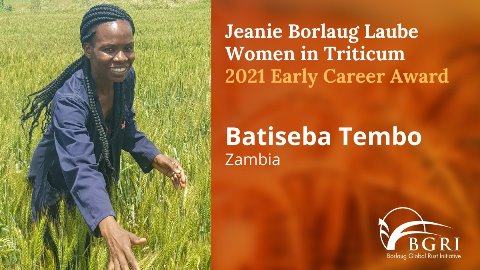
Dr Batiseba Tembo, who graduated from the ACCI in 2016, won a 2021 Women in Triticum (WIT) award given by the Borlaug Global Rust Initiative (BGRI).
The WIT awards recognize talent and dedication from both early career women scientists and those who have exceled at mentoring women working in triticum and its nearest cereal relatives.
Graduate’s Striga-resistant sorghum varieties released in Tanzania
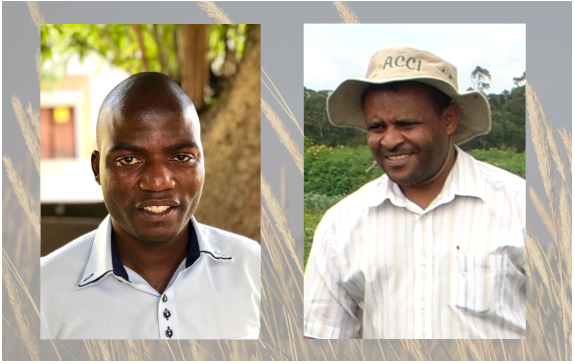
Dr Emmanuel Mrema (pictured left) and his team recently released two new sorghum varieties with Striga resistance in Tanzania.
Striga is a parasitic weed that wreaks havoc on sorghum, maize, millet, rice and wheat, and is a huge problem in Tanzania, with two species affecting small-scale farms especially badly. Mrema successfully focused his PhD research on breeding new sorghum varieties for resistance to both of the Striga species, and for compatibility with FOS.
His PhD studies and research were funded by Alliance for a Green Revolution in Africa (AGRA). Funding for his research was also provided by Technology and Innovation Agency (TIA), a unit of South Africa’s national Department of Science and Technology, working with the government of Tanzania.
On hearing the news, Dr Rufaro Madekadze, Senior Program Officer Extension and Capacity Building at AGRA, congratulated Mrema, saying “I saw them in development a few years ago and was convinced they will revolutionize agriculture in the dry parts of Tanzania. I am so excited they are finally released.”
Groundnut rust dealt a blow in Tanzania
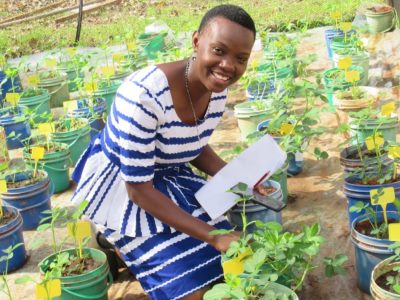
Groundnut is a vital crop for commercial and smallholder farmers in Africa because of its high edible oil and protein content, but it is vulnerable to pests and diseases. One of the worst culprits is rust, caused by pathogenic fungi in the order Pucciniales.

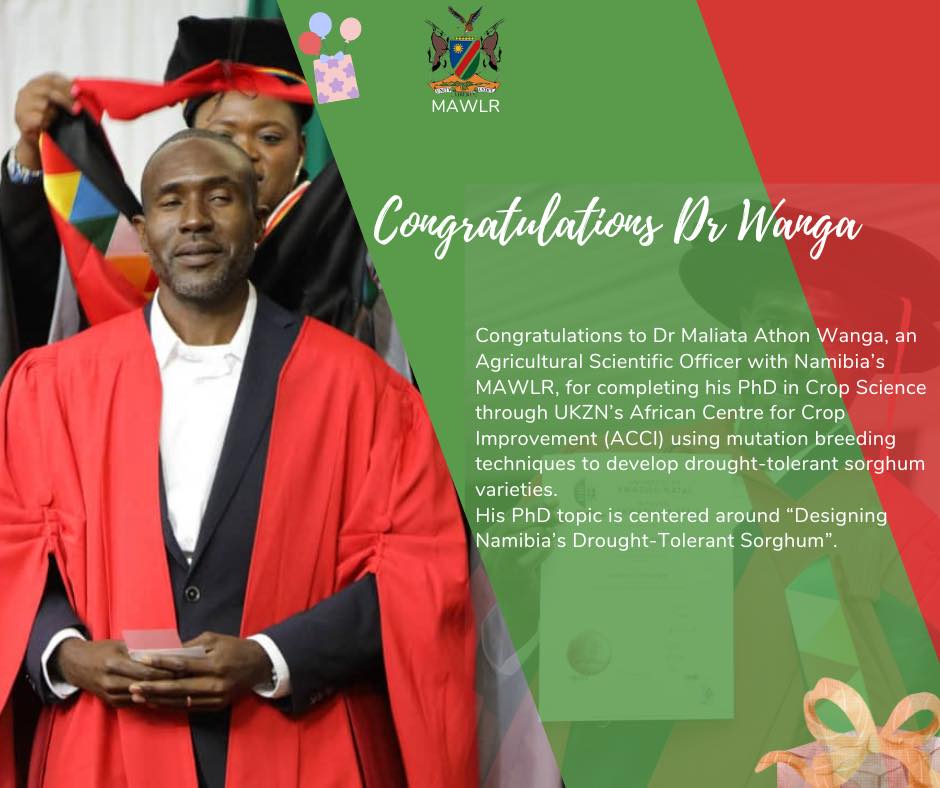
ACCI student Dr Happy Makuru Daudi focused her PhD research on breeding groundnut for resistance to this disease in Tanzania.

Mutation breeding increases climate-change resilience in Wheat
For her PhD research into Plant Breeding, Dr Boluwatife OlaOlorun, who came to the University of KwaZulu-Natal from Nigeria in July 2017, has focused on inducing genetic variation in wheat, using mutation breeding to harness the traits of drought tolerance and carbon sequestration.
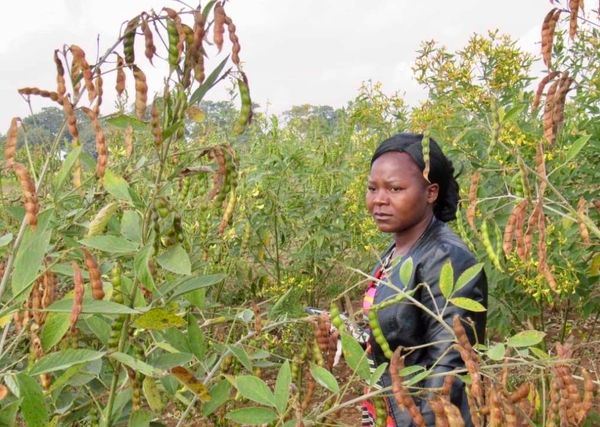
PhD research gives pigeonpea a boost in Malawi
The improvement of a lesser-known legume that could be a major contributor to continental food security. That was the focus of Dr Esnart Nyirenda Yohane when she set about tackling her PhD research project in 2017.
Malawi is a major pigeonpea grower in Africa, producing 403,519 tonnes on 248,400 hactares.
Tackling rice yellow mottle virus
in Tanzania
Despite the fact that rice production and consumption have steadily climbed in Sub-Saharan Africa (SSA), rice is the largest imported commodity crop in the region, due to low productivity by domestic farmers.
Dr Suvis’ thesis describes how this is due to a number of biotic and abiotic stresses and socio-economic constraints, with rice yellow mottle virus (RYMV) the most important biotic challenge in SSA, causing yield losses ranging from 20% to 100%.
Graduate breeds new drought-tolerant wheat for Ethiopia
Climate change is a growing challenge for farmers, especially in Africa where temperatures are expected to increase more than in other region of the world. Breeding crops that are adapted to drought-prone environments therefore makes sense as a sustainable strategy.
For his PhD study, Dr Yared Semahegn Belete chose to work on developing drought tolerance in bread wheat for Ethiopia.
Improved cowpea could be a boon for farmers
As a child, Nelia Nkhoma Phiri had intimate knowledge of cowpea, the crop she focused on for her doctoral research.
“We would eat the cowpea leaves throughout the year because we preserved some by drying in the sun after boiling them a bit. As a young person, I got tired of eating the same things all year round. This inspired me to study plant breeding so that I could breed many different varieties and my grandmother could at least have variety,” she said.
Four ways that adoption rates can be improved — ACCI study
A study commissioned to determine what impact students trained by the African Centre for Crop Improvement (ACCI) have had on food security among African smallholder farmers has yielded promising details.
In pursuit of clarity about the impact of its training of plant breeders, the ACCI commissioned a two-year post-doctoral study by agricultural economist Dr Gideon Danso-Abbeam. The study, which started in 2019, was supported by the Alliance for a Green Revolution in Africa (AGRA).
Series: ACCI food heroes
As a group, ACCI graduates and staff members have made a significant contribution to African agriculture. Apart from developing and releasing new, improved varieties of food-security crops, occupying key leadership positions in African agriculture and teaching and mentoring up-and-coming plant breeders, they also form a body of independent thinkers making a contribution to agricultural science on the continent.
Tackling low protein in sweetpotato,
Africa’s ‘superfood’
Imagine a crop that is exceptionally nutritious and can produce good yields in poor conditions with minimal labour.
That crop is sweetpotato, prized as a crucial food security buffer that is packed with edible energy and provides substantial quantities of vitamins A, B and C. It does, however, have one weakness — low protein content — which recent ACCI graduate Dr Sonia Naidoo chose to focus on for her PhD research.
Student breaks new ground with FAW-resistance breeding project
“There is hope for Africa,” said Chapwa Kasoma about her ground-breaking work on breeding maize that is resistant to the dreaded fall armyworm.
The fall armyworm (FAW), first spotted in Africa in 2016, is a global scourge, infecting 350 host-plant species, and causing annual losses of US$2,5-6,2 billion in the main maize-producing countries of sub-Saharan Africa.
Major collaborative wheat-breeding project bears fruit
A six-year-long project at the ACCI to breed drought-tolerant bread wheat with multiple attributes is bearing fruit. Selected elite breeding lines are now available to breeders and growers in sub-Saharan Africa.
The ACCI project, which started in 2014, is being supervised by Professor Hussein Shimelis (pictured left) and funded by the National Research Foundation, Water Research Commission, Alliance for a Green Revolution in Africa (AGRA), Rockefeller Foundation, ARC and UKZN. So far six students have been involved.
PhD project tests the effect of silicon on wheat quality
A novel ACCI research project to breed silicon-efficient wheat that is drought-tolerant, more nutritious and high yielding is showing promising results.
The study, which is being carried out by PhD student Marylyn Christian, is part of a larger ACCI project to breed climate-smart wheat with multiple desirable traits.
Breeding drought-tolerant wheat without losing quality
A PhD student at the ACCI, Zamalotshwa Thungo, has tackled a burning issue affecting global wheat production — breeding for drought-tolerance without loss of quality.
Although plant breeders are successfully breeding for increased yield, this is usually at the expense of grain quality, due to a generic inverse association between the two traits.
Kudos for our professors
UKZN has announced its list of the Top 30 Published Researchers for 2019 and both our profs are again mentioned — for the third year in a row!
Prof Hussein Shimelis is ranked seventh and Prof Mark Laing is 29th.
This follows the news in October that SciVal, an online platform that tracks the performance of over 14 000 research institutions around the world, had ranked Shimelis 49th in South Africa for scholarly output for 2017-2020 and second in the country in the category of Biological and Agricultural Sciences.
Laing was 116th in SA and 6th in the Biological and Agricultural Sciences section.
Shimelis has also been nominated by the Southern African Plant Breeders’ Association for possible acknowledgment as one of Africa’s top 20 plant breeders of 2020. Three other members of the ACCI family have also been nominated: Prof John Derera, Prof Rob Melis and Prof Pangirayi Tongoona.
The Top 20 will be announced before the end of November.
High hopes for South African cassava project
The African Centre for Crop Improvement is poised to become a key player in a move to kick-start large-scale cassava production in South Africa.
PhD student advances work on breeding climate-smart wheat
The clamour for action around climate change has never been louder, but few would imagine that this action includes getting up early to emasculate plants.
AGRA funds two-year study of ACCI impact
Millions of dollars have been spent on training the ACCI’s 120 PhD graduates since 2006. Has it been worth it?
Pro-Vitamin A maize first for South Africa
Dr Aleck Kondwakwenda was on track to become a soil scientist, when he became fascinated by the idea that the nutrient content of crops could be boosted through plant breeding.
Prof Shimelis does training in 3 African countries
The ACCI’s deputy-director, Prof Hussein Shimelis, a regional expert in mutation breeding, travelled to three African countries recently to to share his knowledge.
Possible role for ACCI in SA dryland rice initiative
The ACCI’s Prof Mark Laing and Dr Isack Mathew attended a high-level meeting in May to discuss the production of dryland rice in South Africa.
Making strides with groundnut CLSD resistance
One of the ACCI’s recent graduates, Dr Eluid Kongola, has produced research related to breeding for resistance to Cercospora leaf spot diseases (CLSD).
Stalwart retires after 15 years training plant breeders
Prof Rob Melis was in the first batch of staff recruited by Professor Mark Laing in 2003, a year after the centre opened its doors.
Prof Laing receives long-service award
Prof Laing recieved a long-service award from the University of KwaZulu-Natal, for his work and dedication to the university and students for the past 35 years.
ACCI visit to India cements bond with ICRISAT
The African Centre for Crop Improvement has been strengthening ties with an important international partner.
Promising results in two-fisted approach to tackling Striga on maize
The ACCI’s pioneering efforts to combat Striga, with a two-pronged approach that combines breeding and biocontrol, have yielded more encouraging results.
Symbiotic fungus dramatically enhances drought tolerance in maize
Increasing the level of Trichoderma, a fungus that occurs naturally in soils around the world, makes some varieties of maize more drought tolerant, as well as boosting yield and general plant health.
Boosting drought tolerance in wheat by developing the root system
Going somewhat against the grain, ACCI student Isack Mathew has spent the last three years of his life focusing on how to develop a bigger root system in wheat.
ACCI sweet sorghum varieties poised to boost biofuel industry
Funding will bring Striga-Resistant Sorghum to Farmers
The battle against Striga in Tanzania and South Africa took a step forward with the arrival of funding to register and commercialise new varieties of Striga-resistant sorghum, developed by our recent graduate, Dr Emmanuel Mrema.